
Safe, Spacious, and Budget Smart
Finding the best used family cars means balancing safety, space, comfort, and long term value. This guide simplifies your search with practical shopping tips, top categories for families, and links to in depth resources across our site. Whether you are eyeing a minivan with sliding doors for easy car seat access, a three row SUV for growing crews, a compact SUV for daily versatility, or a fuel saving hybrid, we break down what matters most. Explore safety ratings, LATCH access, maintenance costs, and must have features like advanced driver assists, rear seat reminders, and road trip comfort. Compare budget ranges so you can zero in on smart choices that fit your payment goals. Ready to research with confidence and build your shortlist of safe, reliable, and roomy options that keep everyone comfortable on school runs and weekend getaways.
Below you will find detailed guidance to evaluate seating layouts, cargo room, fuel economy, reliability, and ownership costs for family friendly models. Use the linked research pages to learn about safety ratings, warranties, financing, and inspection tips, then browse our latest options in used inventory and category pages tailored to family needs.
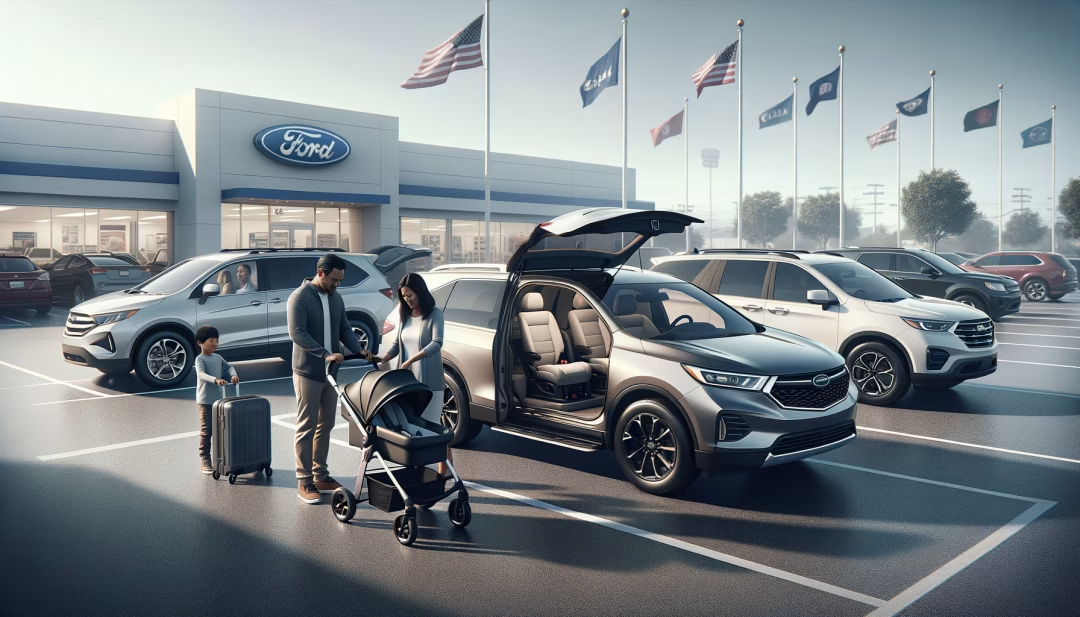
What Makes a Great Used Family Car
A great family vehicle does more than move people. It keeps everyone safe, makes daily life easier, and protects your budget over the long run. Focus on crash test ratings, driver assistance features, easy access to LATCH anchors, flexible seating for car seats or boosters, durable interiors, and efficient powertrains. Consider visibility for the driver, a smooth ride for passengers, and cargo space that actually fits strollers, sports gear, and grocery runs. For winter climates, look for all wheel drive and heated features. For high mileage commutes, prioritize fuel economy or hybrid options. Finally, choose brands and models with strong reliability records and affordable maintenance to keep cost of ownership predictable.
- Top safety scores and active driver assists like automatic emergency braking and blind spot monitoring
- Roomy seating with easy LATCH access in the second row and optional third row for carpools
- Flexible cargo space that can handle strollers and bulk items without sacrificing comfort
- Strong reliability history and low routine maintenance costs
- Fuel efficient engines or hybrid powertrains to save on monthly costs
Top Categories for Families
Different families have different needs. If you often carry three or more kids or use multiple car seats, a minivan or three row SUV may be best. If you need city friendly maneuverability with good cargo room, a compact SUV or wagon can be a great fit. For long highway commutes, consider a comfortable midsize sedan or hybrid. Explore these category deep dives for specific recommendations and model year tips:
- best-used-minivans for sliding door convenience, low step in height, and massive cargo flexibility
- best-used-3-row-suvs for seating up to seven or eight with optional all wheel drive
- best-used-suvs and best-used-midsize-suvs if you want a balance of space, comfort, and towing
- best-used-sedans for low running costs, smooth rides, and easy parking
- best-used-hybrid-cars and best-used-electric-vehicles for fuel savings and quiet comfort
Safety and Child Seat Friendliness
Safety is the foundation of family transportation. Review crash test results, look for vehicles with high scores and standard driver assistance suites, and verify that LATCH anchors are easily accessible without digging into seat cushions. For infant and convertible seats, wide second row door openings and sliding second rows can make installation easier. If you need a third row, test how car seats fit behind tall drivers and confirm that older kids can access the back without removing seats. Rear cross traffic alert, surround view cameras, and rear seat reminders can reduce daily stress in parking lots and pickup lines.
- used-cars-with-best-crash-test-ratings for models with top impact performance
- safest-used-cars and safest-used-suvs to compare across body styles
Interior Space and Cargo Planning
Measure what you carry most often. A deep cargo well behind the third row in a minivan or a long load floor in a midsize SUV can change your daily routine. If you juggle strollers, look for low liftover heights and power liftgates. Split folding seats allow mixed passenger and cargo usage. Think about seat cushion height for easy kid buckling and visibility. If you share driving, test seat and steering wheel adjustability for different heights. Road noise and climate control options for rear passengers also matter on longer drives.
Budget Friendly Family Picks
Family ready features exist at many price points. Shoppers with modest budgets can still find safe, reliable cars that deliver strong value. Explore our price focused pages to align your wish list with realistic market options and ownership cost expectations.
- best-used-cars-under-10000, best-used-cars-under-15000, and best-used-cars-under-20000 for practical choices at approachable prices
- best-used-family-cars-under-20000 focused on space and safety for families
- used-cars-with-lowest-maintenance-costs and used-cars-with-lowest-cost-of-ownership to plan long term expenses
Reliability, Warranty, and Ownership Costs
Reliability reduces surprises and protects family schedules. Look for vehicles with strong track records for engines, transmissions, and electronics. Check that routine services like brakes, tires, and fluids are affordable and easy to perform. Certified pre owned programs can add peace of mind with inspections and added coverage. Review available service records and vehicle history to confirm proper maintenance. If you plan to keep the car for many years, certain brands and models have excellent longevity and resale value, which can improve your overall cost of ownership over time.
- most-reliable-used-cars and used-cars-with-longest-lifespan to compare durability
- certified-pre-owned-vs-used and used-car-warranty-guide for coverage insights
- used-cars-with-best-resale-value to gauge future value
Fuel Economy and Powertrains
Fuel economy can be a major monthly budget line. Many families can save by choosing efficient four cylinder engines, hybrids, or even plug in hybrids for short daily routes. Hybrids often deliver excellent city mileage while maintaining quiet and comfortable operation. For frequent highway trips, look for transmissions tuned for low rpm cruising. If you need towing for campers or boats, confirm rated capacity and cooling packages without stepping up to oversized models that add unnecessary fuel costs.
- used-cars-with-high-mpg and best-used-hybrid-cars-under-20000 for efficient picks
- best-used-electric-vehicles and best-used-electric-cars-under-25000 for low running costs if home charging is available
All Weather Confidence
Families in winter states often prefer vehicles with all wheel drive, snow friendly tires, and features like heated seats and remote start. Ground clearance helps in unplowed lots, while stability control and traction systems improve control in slippery conditions. Remember that tires matter more than drivetrain. A set of quality winter tires can transform safety and confidence in cold climates.
Smart Shopping Steps for Families
Preparation saves time and helps you avoid problems. Start with a realistic budget that includes insurance, maintenance, and fuel. Review model year changes so you do not miss useful upgrades. Use a vehicle history service to review title status and past damage, then inspect or have a mechanic inspect the car. Bring your car seat and test install it. Fold all seats, measure the cargo floor, and check ride comfort on roads you drive often. Confirm that every key family feature works as expected, including cameras, door locks, sliding doors, climate controls, and rear USB ports.
- used-car-buying-checklist and used-car-inspection-checklist to stay organized
- how-to-check-used-car-history and used-car-vin-check-guide for history research
- how-to-avoid-buying-a-bad-used-car for red flags and negotiation timing
Financing, Trade Value, and Ownership Planning
Financing decisions influence overall cost. Compare rates and terms, estimate monthly payments with realistic down payment plans, and understand how credit scores impact approvals. If you have a trade in, get a transparent value estimate and decide whether to apply equity to reduce your principal. Review warranty options for coverage that matches your driving style and annual mileage. Keep maintenance on schedule and document services for long term reliability and resale value.
- payment-options, how-to-finance-a-used-car, and how-does-used-car-financing-work
- what-credit-score-is-needed-to-finance-a-used-car and used-car-loan-interest-rates
- how-much-down-payment-for-used-car and can-you-finance-a-used-car-with-bad-credit
- value-my-trade and applications
- extended-warranty-for-used-cars and schedule-service
Helpful Research and Shopping Links
Use these resources to compare models, read ownership insights, and keep your research moving:
Best Used Family Cars FAQs
Office Hours
Monday
Tuesday
Wednesday
Thursday
Friday
Saturday
9:00 am - 5:00 pm
9:00 am - 5:00 pm
9:00 am - 5:00 pm
9:00 am - 5:00 pm
9:00 am - 5:00 pm
Closed
